What Are the Most Commonly Used Fabrics in Uniform Manufacturing?
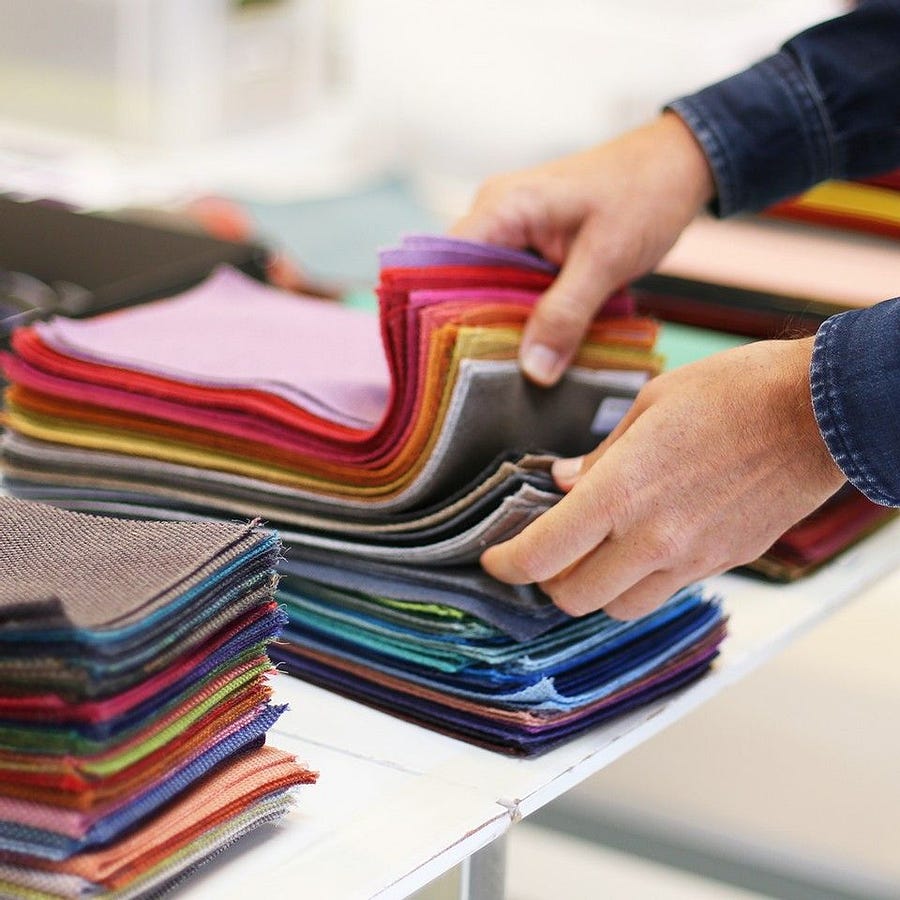
Uniforms are an essential part of many industries, especially in sectors like healthcare, education, hospitality, and industrial services. The choice of fabric used in uniform manufacturing plays a crucial role in determining the durability, comfort, functionality, and appearance of the uniforms. For businesses seeking reliable attire solutions, understanding the most commonly used fabrics can help in choosing the right materials. This is particularly important when working with experienced uniform manufacturers in Qatar who tailor their offerings based on climate, profession, and usage.
Cotton: A Classic Choice
Cotton is one of the most widely used natural fibers in uniform manufacturing. It is breathable, comfortable, and soft on the skin — making it ideal for long shifts, especially in hot and humid climates like Qatar. Cotton is especially favored in schools and hospitals, where comfort and hygiene are essential. However, pure cotton tends to wrinkle easily and may shrink after repeated washes. That’s why many uniform suppliers in Qatar opt for cotton blends that retain comfort while improving durability.
Polyester: Durable and Resilient
Polyester is a synthetic fiber well-known for its strength and wrinkle-resistant qualities. It doesn’t shrink or stretch out of shape easily and holds color well. This makes it ideal for uniforms in industries where durability is key, such as construction or facility management. Industrial uniform suppliers in Qatar often recommend polyester-based uniforms for heavy-duty use. While it doesn’t offer the same breathability as cotton, it’s incredibly durable and easy to care for.
Poly-Cotton Blends: The Best of Both Worlds
A popular choice among many uniform manufacturers is the poly-cotton blend — typically a mix of 65% polyester and 35% cotton. This fabric offers a balance between comfort and durability. It breathes better than pure polyester while being easier to maintain than pure cotton. Poly-cotton is commonly used by medical uniform suppliers in Qatar, particularly for hospital scrubs, lab coats, and nursing attire. It’s also a go-to for school uniform suppliers in Qatar due to its long-lasting quality and low maintenance.
Spandex (Elastane): Flexibility and Fit
Spandex is rarely used alone but is frequently blended with other fabrics to provide stretch. This added flexibility improves the fit and comfort of the uniform, allowing better mobility during physical tasks. Uniforms with spandex are ideal for professionals in active roles, such as nurses, therapists, and warehouse staff. Many corporate uniform suppliers in Qatar now offer uniforms with a slight stretch to enhance wearability and appearance.
Twill Weaves: Structure and Strength
Twill is a weaving technique known for its diagonal rib pattern, giving the fabric a structured look and feel. Twill fabrics — often made from cotton or polyester — are thicker and more durable, making them suitable for chef coats, industrial uniforms, and hospitality wear. Doha uniform manufacturing companies often use twill fabrics for garments that require both structure and resistance to wear and tear.
Rayon and Modal: For a Premium Feel
Rayon and modal are semi-synthetic fabrics derived from natural sources like wood pulp. They are smooth, soft, and breathable, making them suitable for high-end corporate or hospitality uniforms. While not as common as poly-cotton blends, these fabrics are used in environments where comfort and appearance are equally prioritized, such as front-desk roles or management staff.
Choosing the Right Fabric for Your Industry
Different industries require specific fabric characteristics. For example, medical uniforms in Qatar should be breathable, stain-resistant, and antimicrobial. Hospital uniforms suppliers in Qatar often prefer blends that withstand frequent washing. For schools, school uniform suppliers in Qatar look for durable, fade-resistant materials. When placing large orders, businesses often work with wholesale uniform manufacturers in Qatar who offer customizations based on fabric performance and industry demands.
Conclusion
The fabric used in uniform manufacturing greatly impacts how a uniform looks, feels, and performs over time. Whether it’s the softness of cotton, the resilience of polyester, or the flexibility of spandex blends, each material serves a specific purpose. By partnering with the right uniform company in Qatar, you ensure that your team gets uniforms that not only look professional but also offer comfort and longevity. From hospital uniforms suppliers in Qatar to corporate uniform suppliers in Qatar, there are many experienced manufacturers ready to help you choose the best fabric for your needs.


Comments
Post a Comment