What’s the Real Difference Between Wired (KNX) and Wireless Home Automation?
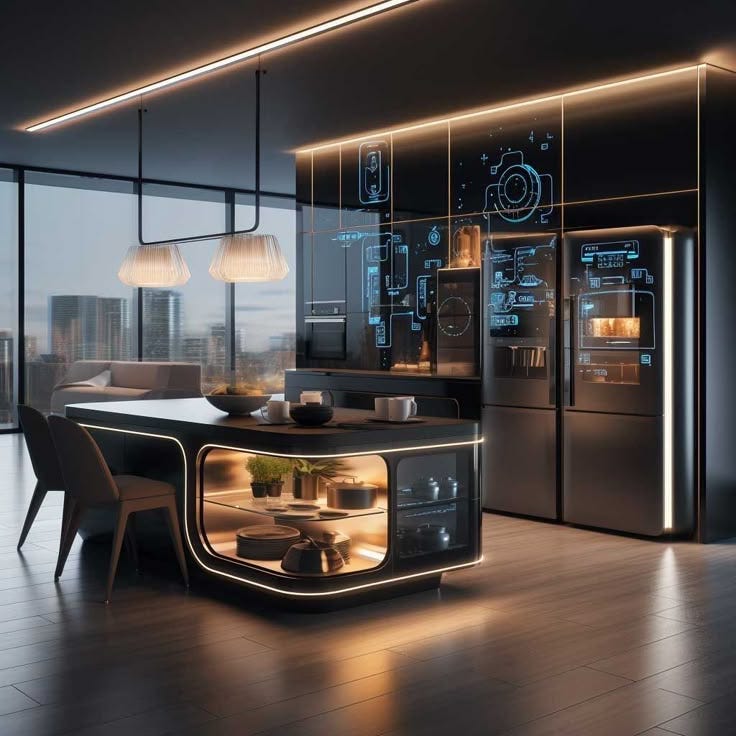
As smart living becomes increasingly popular, homeowners in the UAE are faced with an important decision: choosing between wired (KNX) and wireless home automation systems. Both options promise convenience, control, and modern living — but the real difference lies in how they perform, how they’re installed, and how they support your lifestyle over time. For anyone exploring home automation in Dubai, understanding these differences is essential before making a long-term investment.
Wired automation systems, most commonly based on the KNX protocol, are designed for stability and performance. These systems rely on dedicated low-voltage cabling installed throughout the property, allowing devices to communicate without depending on Wi-Fi or radio signals. Because of this structured infrastructure, wired systems are highly reliable and ideal for villas, large homes, and new construction projects. A KNX-based smart home system in Dubai can manage lighting, climate, security, shading, and entertainment with consistent accuracy, even across multi-floor properties.
Wireless home automation, on the other hand, communicates through Wi-Fi, Zigbee, Z-Wave, or similar technologies. These systems are flexible and easy to deploy, making them well-suited for apartments, completed homes, or rental properties. Wireless automation is especially appealing to homeowners who want smart features without wall breaking or rewiring. For many, wireless solutions offer a faster and less disruptive entry into smart living while still delivering meaningful comfort and control.
Installation is one of the clearest differences between the two. Wired systems must be planned early — ideally during construction or major renovation — because cables need to be installed behind walls and ceilings. This makes them a strategic choice rather than a spontaneous upgrade. In contrast, smart home installation in Dubai using wireless technology can often be completed within hours, with devices mounted, paired, and configured without altering the home’s structure.
Performance and scalability also set these systems apart. Wired automation is built for long-term expansion and heavy system integration. It excels in homes where multiple technologies must work together seamlessly. When paired with advanced lighting solutions in Dubai, wired systems deliver smooth dimming, scene control, daylight response, and energy optimisation without lag or signal interference. Wireless systems can also support smart lighting but may rely heavily on network quality for consistent performance.
Another important consideration is system integration beyond basic automation. In high-end villas and multi-level residences, automation often includes vertical mobility. By coordinating with elevator service companies in Dubai, wired systems can integrate elevators with access control, lighting triggers, and safety protocols. While wireless systems can support partial integration, wired platforms offer greater reliability for mission-critical functions that demand constant uptime.
Maintenance and longevity further differentiate the two options. Wired systems typically require less frequent troubleshooting once installed properly, as they are not affected by wireless interference or network congestion. Wireless systems may require periodic updates, battery replacements, and network optimisation. However, both systems perform best when designed and maintained by experienced professionals who understand system architecture and future needs.
Many modern homes now adopt a hybrid approach — using wired automation for core systems like lighting and climate control, while adding wireless devices for sensors, remotes, or portable controls. This strategy balances reliability with flexibility and allows homeowners to upgrade gradually.
Choosing between wired and wireless automation ultimately depends on property type, budget, timeline, and long-term goals. This is where expert guidance makes a significant difference. Oniko, a trusted automation specialist in Dubai, helps homeowners assess their needs and design tailored solutions that balance performance, aesthetics, and future readiness.
In the end, the real difference between wired and wireless automation isn’t about which is better — it’s about which is right for your home. With thoughtful planning and the right partner, either system can transform your living space into a smart, comfortable, and efficient environment designed for modern Dubai living.


Comments
Post a Comment